The Levesque Institute’s Building Bridges to Inclusion and Excellence program, generously funded by the Peter and Elizabeth Tower Foundation, is designed to support students as they transition from high school into adulthood. The program helps them build confidence, teaches self-advocacy skills, and makes connections to community services and educational and employment opportunities. Qierra Gregory is an outstanding example of what that transition can look like.
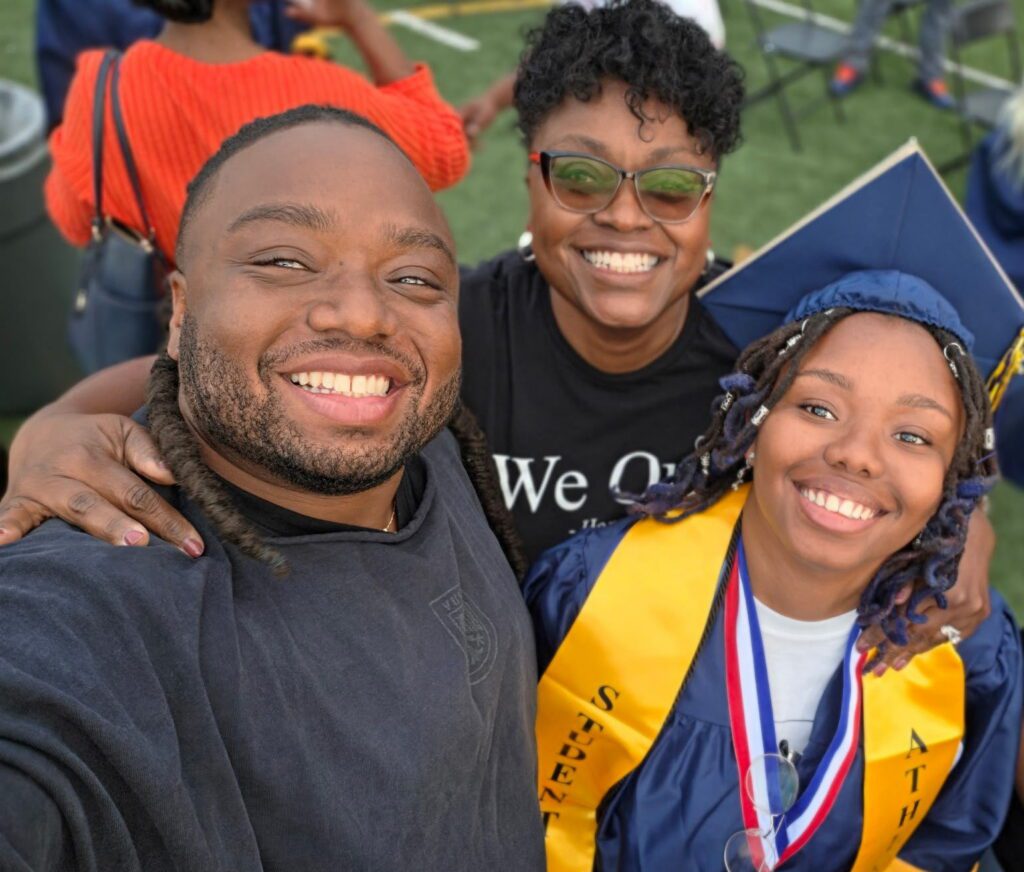
Since participating in Bridges to Excellence, Qierra has continued turning her goals into accomplishments. She completed her BOCES requirements, earning a score of 100 on her portfolio, and obtained certifications to operate both a Bobcat excavator and skid steer. She was also awarded a $2,500 scholarship through the Juneteenth Gala and has continued gaining valuable employment and hands-on experience.
Qierra participated in a Forest Woods Walk hosted by Niagara University science professor Dr. Mark Gallo, where she explored forestry, conservation, habitat management, and land stewardship. Since then, she has continued building on those interests through seasonal employment with the Niagara Falls State Park horticulture department and community involvement with the planned development of Beech Avenue Park.
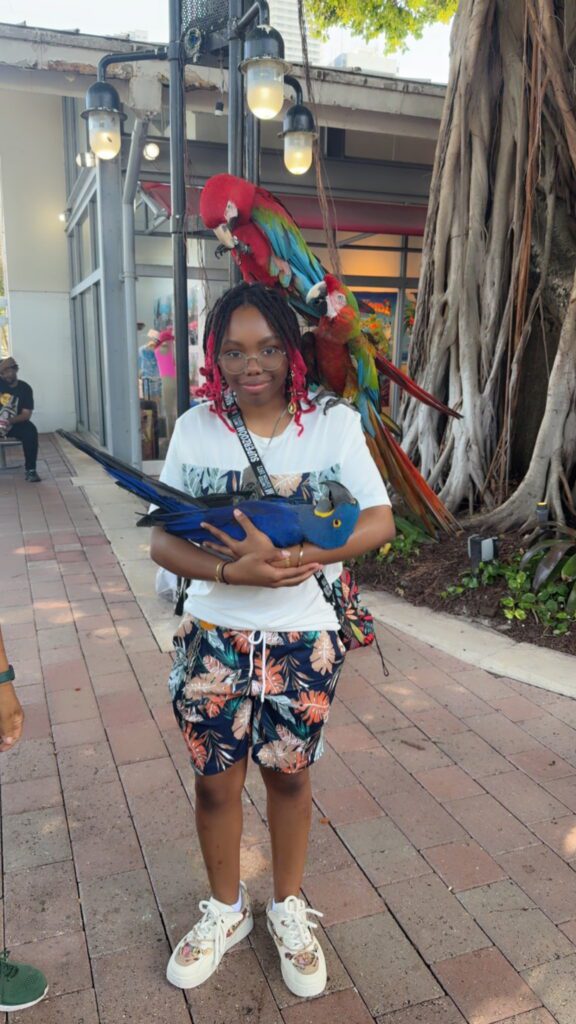
Her accomplishments have not gone unnoticed. Qierra has been selected to receive the President’s Award for Youth Excellence from the NAACP, Niagara Falls Branch, at its September 2026 Awards Gala, an incredible recognition of the determination, leadership, and potential she continues to demonstrate.
Qierra’s next chapter begins this fall when she moves into the residence halls at SUNY Niagara to pursue an associate degree in horticulture. She plans to continue her education afterward in environmental science and forestry.
Qierra’s journey reflects what Building Bridges to Inclusion and Excellence hopes to accomplish for every student. Transition does not end with a high school diploma. It means helping young people discover their strengths, identify meaningful goals, access opportunities, and develop the confidence to move forward. Qierra has done exactly that, and her continued success demonstrates the impact that intentional transitional programming can have long after a student leaves the classroom.