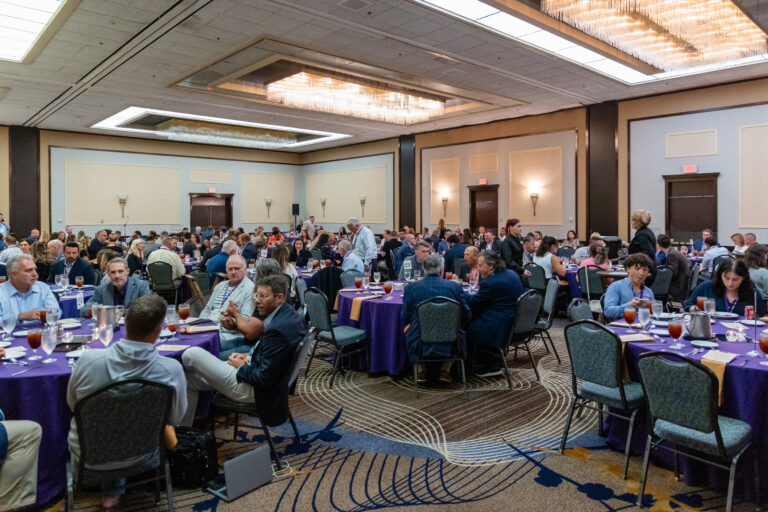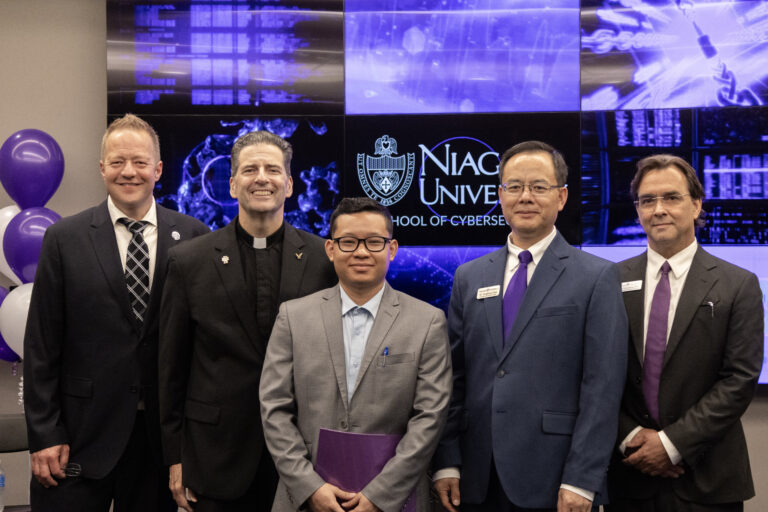
The third annual Niagara Conference on Workplace Mobbing will take place July 20-22, 2026, on the Niagara University campus and virtually.
Workplace mobbing is often interchangeably referred to as workplace bullying, but it is important to distinguish between the two. While bullying may occur directly or indirectly between individuals, mobbing refers to an animalistic phenomenon within a workplace where a group dynamic forms that targets an individual over a sustained period of time. The mobbing dynamic can lead to the elimination of targets not only from their jobs but also from their broader social and professional communities. The impact extends beyond damage to reputation, workplace sabotage, and the loss of career opportunities. Prolonged exposure to workplace mobbing can result in severe psychological harm, including symptoms associated with post-traumatic stress disorder (PTSD), anxiety, depression, and, in some cases, suicidal thoughts or suicidal ideation. The consequences highlight the importance of recognizing workplace mobbing as a serious organizational and social issue that requires awareness, prevention, and effective intervention.
Dr. Qingli Meng is president of the World Association for Research on Workplace Mobbing and the editor-in-chief of the Journal of Workplace Mobbing. She is also the chair and registrar for the conference. “Workplace mobbing is subtle, insidious, not easy to identify. It is a process with clear patterns that involves a systematic, collective, and often organizational process of targeting an individual, while workplace bullying involves more individual acts of mistreatment,” Meng said. “Understanding this distinction helps us develop more accurate research, effective prevention strategies, and appropriate organizational responses.”
The dynamic can form at all levels within an organization, and it is not limited by power dynamics. While it may come from the top-down, it can also be horizontal among colleagues at the same level of an organization, or even bottom-up, where employees collectively target a supervisor. The formation of this dynamic is difficult to regulate and prevent because it generally is unconscious. The behavior that the mob takes against the individual includes but is not limited to the starting of rumors, constant critique of their work, withholding relevant information, and undermining their work. The goal, even if unconscious, is to push the individual out of their workplace.
The conference seeks to promote academic dialogue, showcase innovative research, and inspire actionable solutions to highlight the moral, social, and legal imperatives of addressing and eliminating workplace mobbing. This year’s theme emphasizes the need to continue raising public awareness of workplace mobbing, moving forward toward proactive strategies for prevention, intervention, healing, and organizational change. The conference will feature keynote lectures, individual paper presentation sessions, poster presentation sessions, panel discussions, and roundtable discussions focusing on how we can build workplaces rooted in dignity, justice, and compassion.
In regards to the overall goal of the conference, Meng said, “We hope to further build a global community of scholars, practitioners, and advocates dedicated to advancing rigorous research, increasing public awareness, and developing evidence-based solutions to create healthier, more respectful, and dignified workplaces.”
The role of the conference is to continue work towards defining mobbing in the workplace as its own concept that is distinct from bullying. By doing so, more academic research can be supported and more public awareness can be generated. The conference has generated international attention in its first two years, and Meng is looking to continue the momentum.
Meng and the scholars who will be presenting at this year’s conference have spent their time invested in scholarly research into the topic of mobbing, but that does not mean the conference is irrelevant to the average, non-scholar. “Many people experience mobbing without knowing what it is, Meng said. “They only realize that their work, daily routines, and personal lives have suddenly changed in ways they cannot explain until they learn about mobbing. The conference provides valuable knowledge about workplace dynamics, employee protection, and practical strategies for preventing and addressing harmful workplace environments.”
For more information on the concept of workplace mobbing, please refer to journalofworkplacemobbing.org. You can also listen to Meng speak on the topic here.
You can register as an in-person or virtual participant at the button below. Virtual registration is free to NU faculty, staff, and students who use their NU email while registering.