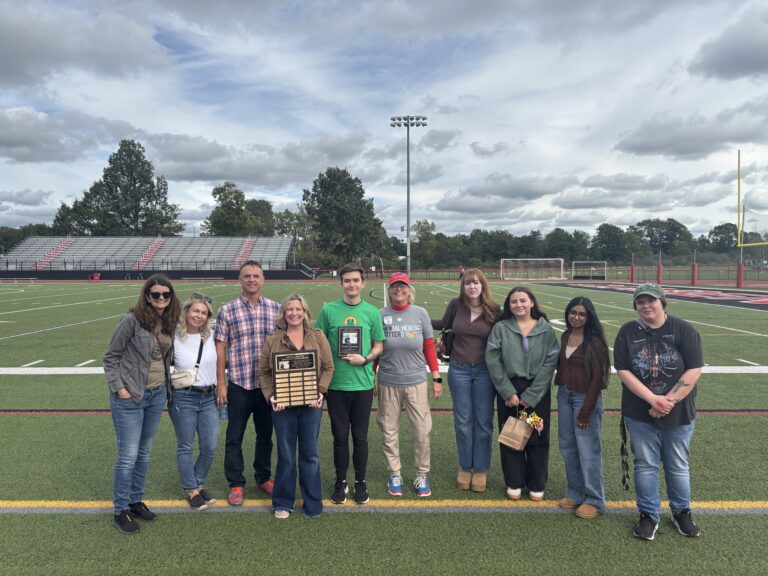
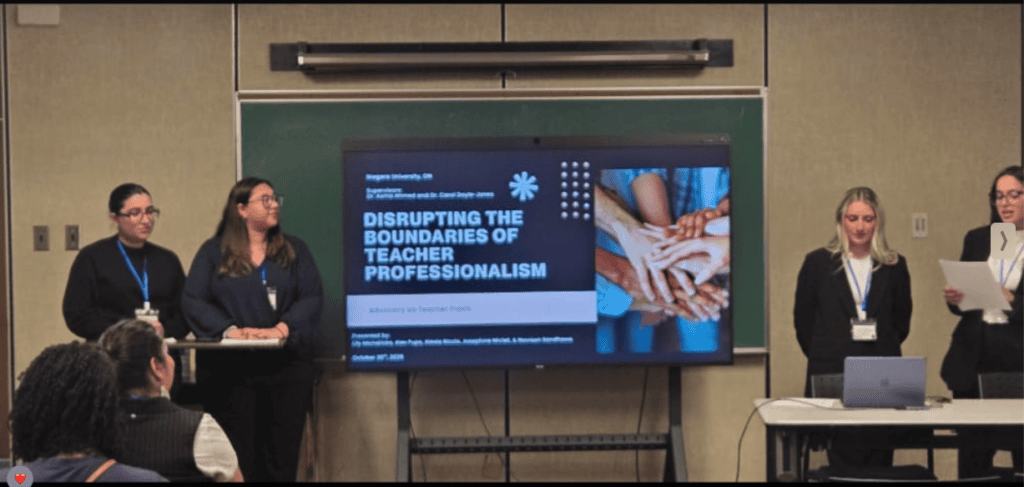
Five Niagara University Ontario teacher candidates presented their research on advocacy and teacher professionalism at the seventh CLD Conference, held at the Ontario Institute for Studies in Education (OISE) at the University of Toronto on [date].
Their presentation, “Disrupting the Boundaries of Teacher Professionalism: Advocacy as Teacher Praxis,” was supervised by Dr. Carol Doyle-Jones, associate professor Education in Ontario and Dr. Asma Ahmed, chair and assistant professor of Ontario Educational Studies.
Using a participatory action research approach, the students asked how engaging in advocacy shapes teacher candidates’ understanding of professionalism and their development as educators.
“What makes this research particularly interesting is that students did not simply study advocacy; they actively participated in it, documented their experiences, and critically reflected on how these experiences shaped their professional identities,” said Dr. Ahmed.
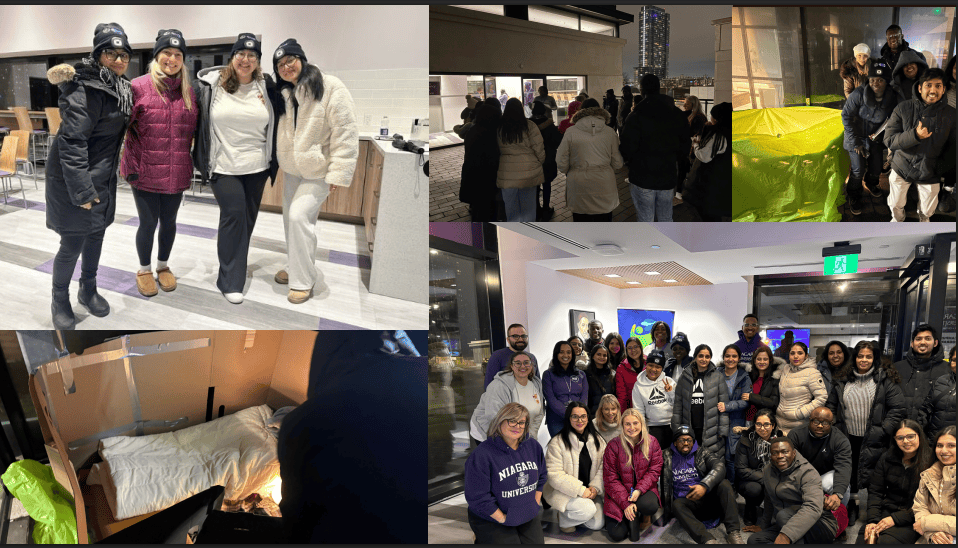
Students participated in and helped facilitate Niagara University’s 360° Experience in support of 360°kids, an organization that supports youth experiencing homelessness. Through an immersive experience involving temporary shelters, simulated housing insecurity and facilitated discussions, they gained a deeper understanding of the systemic barriers unhoused youth face and the importance of advocacy beyond charity.
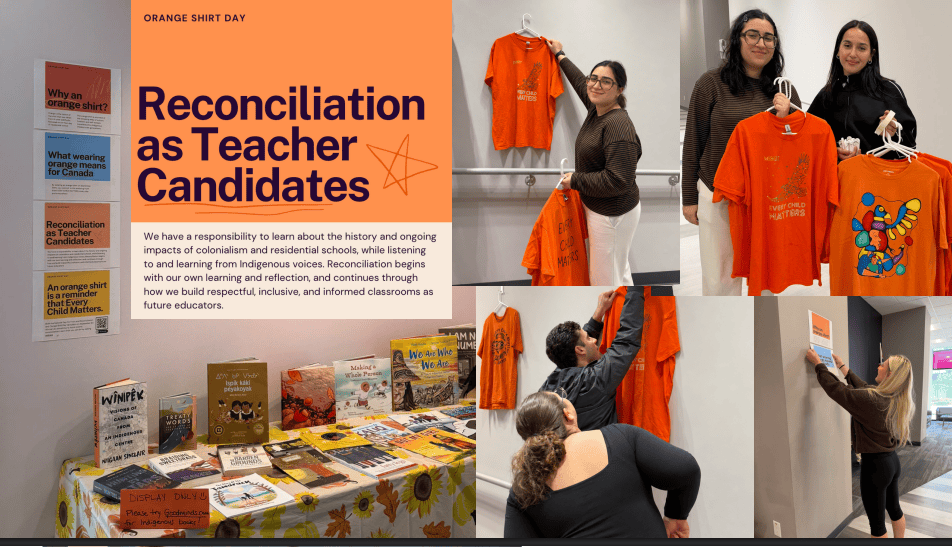
They also organized Orange Shirt Day activities, including educational displays, resources and conversations about residential schools and educators’ responsibilities toward reconciliation.
To support future educators, the students developed a Wellness Café grant proposal focused on mental health, resilience and burnout prevention among teacher candidates.
The candidates also took part in Niagara University’s accreditation process, reflecting on student voice, institutional accountability and the role educators play in improving educational systems.
A central message of their presentation was that advocacy should not be viewed as an additional responsibility for teachers, but as an integral part of teacher professionalism. By connecting critical reflection with purposeful action, the research challenges traditional ideas of what it means to be an educator.